


I have had these beans many times before and they are great for espresso! It is the perfect smooth texture and has a great flavor that can be paired well with anything!
You're 2 products away from 10% Off!
WHOLE BEAN OR GROUND:
Couldn't load pickup availability

Get it between - and -.
Light
Dark


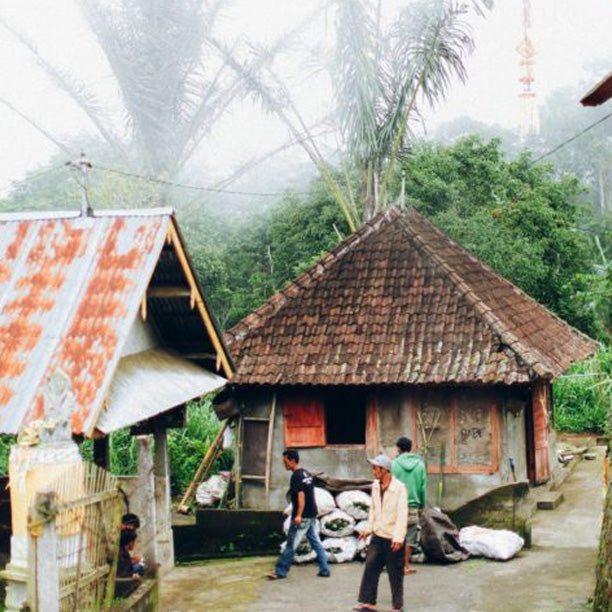




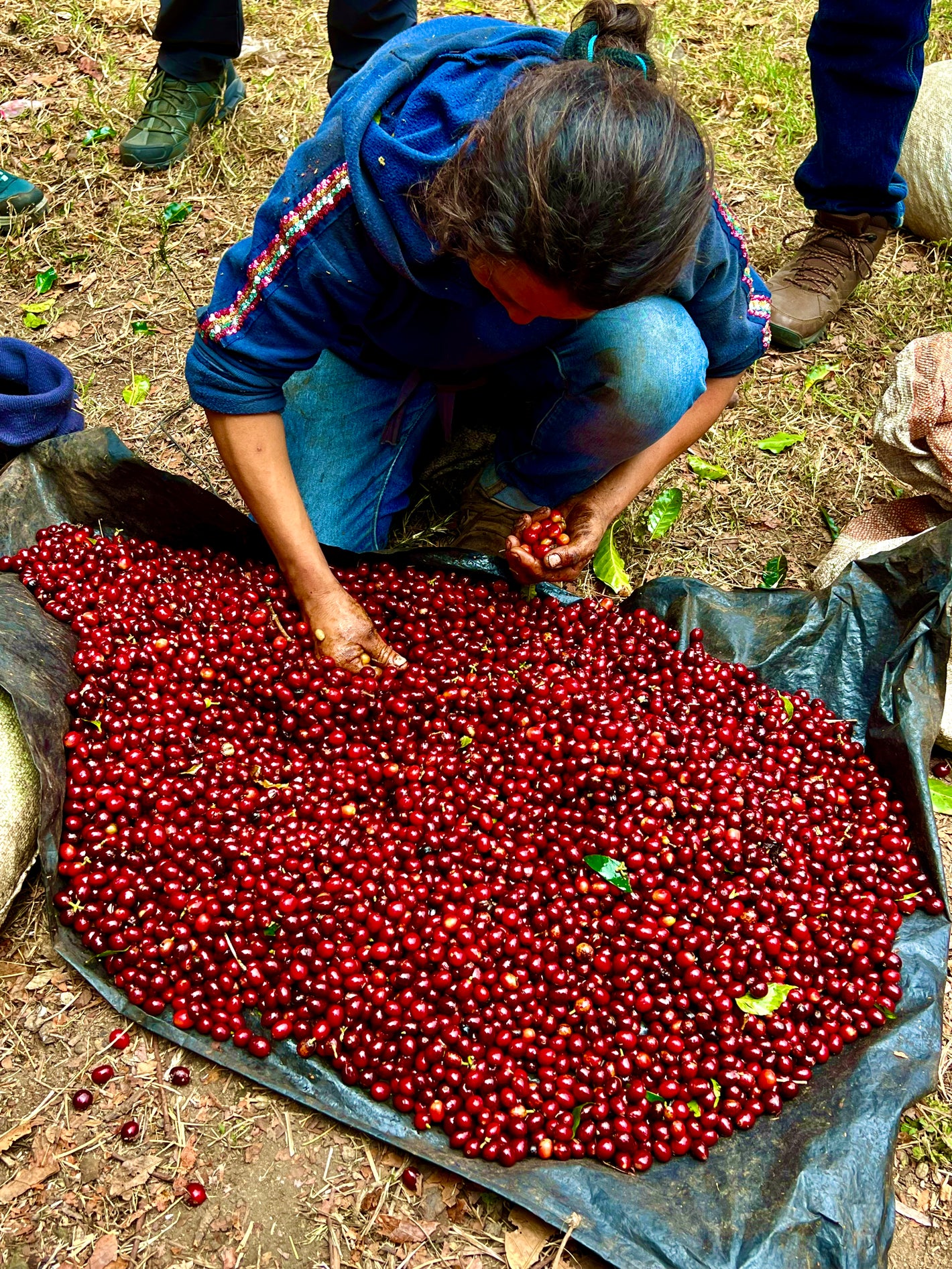
Our single-origin coffee comes from the world’s top regions, where coffee cultivator families handpick and perfect every bean.
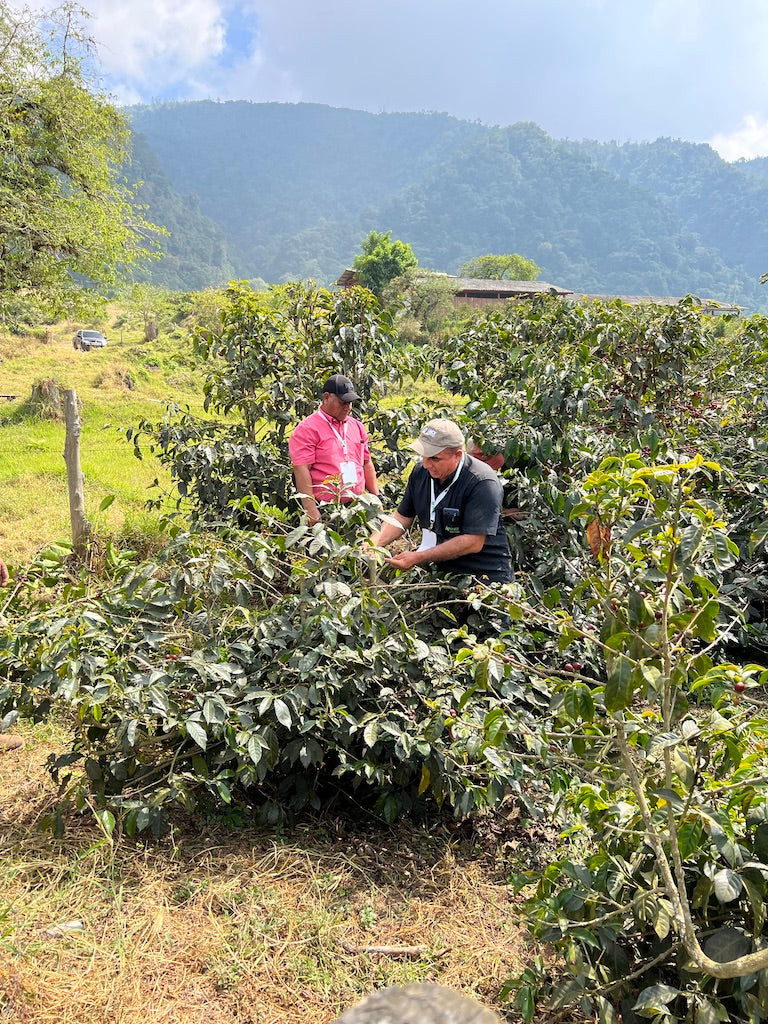
We visit farms abroad, meet the producers, and carefully select each coffee. We ensure fair pay, sustainability, and outstanding quality.
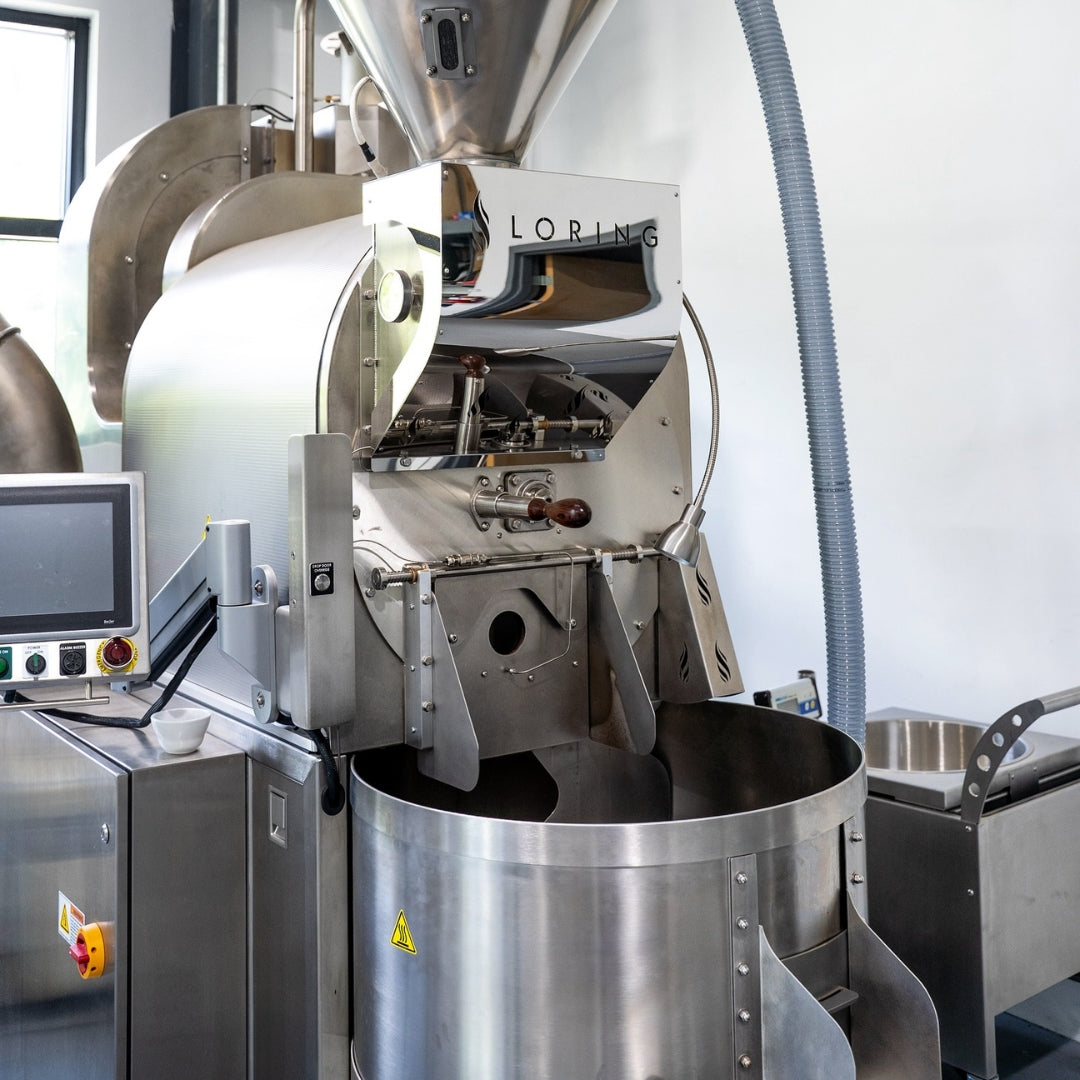
Using cutting-edge roasting, we unlock each bean’s unique taste—honoring the farmer’s craft.

Roasted on our Loring S35 Kestrel for superior flavor control.
Expertly developed blends designed to bring out the best in every bean.
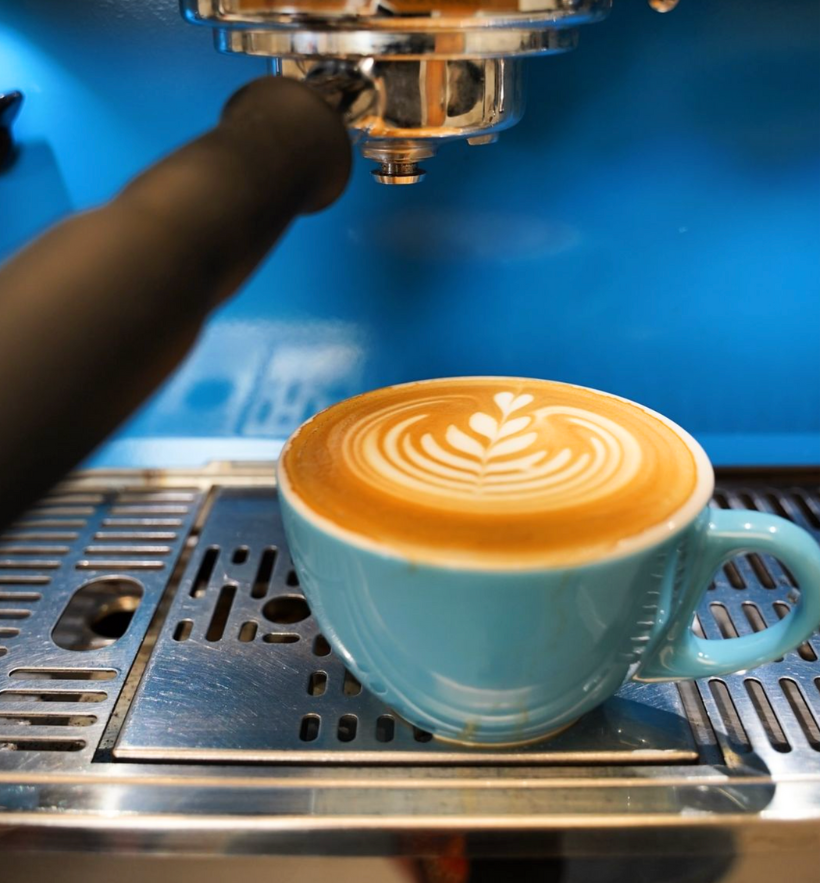
Sovda Pearl Mini technology guarantees consistency in every batch.
Crafted by certified Q Graders to highlight the best flavor profiles.
Grind fresh beans (medium grind) and heat water to 200°-205°F.
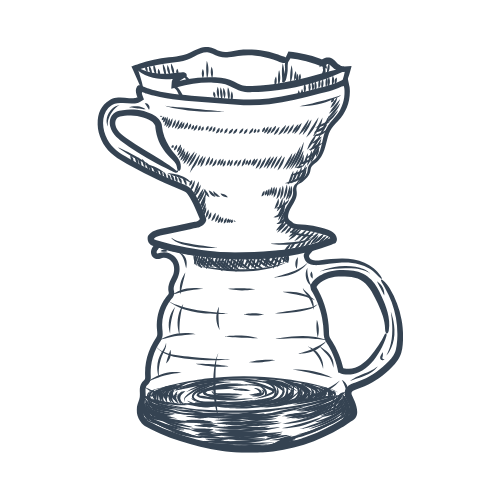
Wet the filter, add grounds (22g for 12oz), bloom with 40g water for 30 seconds, then slowly pour remaining 310g water.
Let coffee drain fully (2:30-3:00 minutes total brew time) and savor your pour-over.
Overall rating: 4.9 / 5 from 163 reviews.
I have had these beans many times before and they are great for espresso! It is the perfect smooth texture and has a great flavor that can be paired well with anything!

This is absolutely the best espresso I have ever had. Being local is just an added bonus!!

Absolutely amazing coffee great service fast shipping super affordable love love, love!

This is my new favorite blend! It’s delicious and it’s smooth! I love that it’s organic!

I love all the coffee that I have purchased! Eager to step out and try something new with the roaster’s subscription! Thank you!

It’s the only coffee my husband likes to drink! And Foresight is the best little roaster around!
I tried to send an email… Our delivery from USPS was not great and took a while to come. Also I really didn’t like the nodes in this particular blend.. I’m guessing that’s not a problem though lol. I love the company and we will try a different bean next time.
Love this blend!
My fave!
Great Coffee Great people
I bought this blend on the recommendation from foresight after inquiring about the blend the make for Carmella’s coffee bar .. it’s a very good coffee with no bitterness at all .. I’m trying to figure out the best way to make it .. right now I’m using a pour over pot ..
Taste great will be ordering again this week!!!
Although I do love the coffee, the rich flavor and no bitterness .. I still liked the restaurant millers all day blend coffee the best. I looked on your website but saw you don’t sell that particular blend. I will def. W trying more in the near future! Thank you.
Love this! Definitely worth every last drop
I love this coffee! Best in the area!!
We liked the flagship blend very much. Will order soon.
Amazing flavor and friendly service experience!
Love love love!
Great coffee!
Very good. My fifth order
Awesome coffee
Love the coffee!
Introduced to Foresight coffee while visiting Folly Beach. Love the organic, freshly roasted beans! I appreciate brew info on the website also.
Great mug. Has a vi tage look and holds a lot of coffee. Great customer service. Thank you!
Had this at a friends house and loved it. Bought it for ourselves and continue to love it.
Smooth and delicious!
Really good, will order more
Great coffee every time. I drink it every morning. Gets my day started right. Order some today.
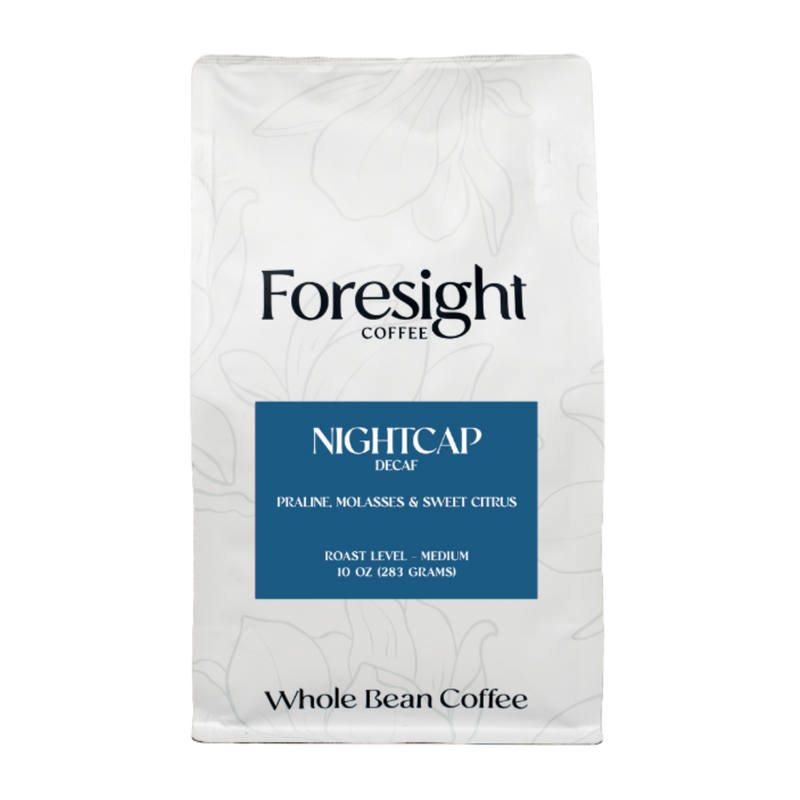
This is my husband's coffee standard. We try other coffees when we travel but he always says it's not as good as his Foresight Nightcap Decaf. We bring beans and grind them so he can have his favorite coffee each morning. You have set the bar very high. We will continue to order this coffee as long as you have it.
The best cold brew I have ever had! So smooth
Best Coffee, we order all the way from California
Love the coffee.
This is my absolute favorite blend! ☕️ Foresight Coffee Co.’s Proximity is rich, smooth, and full-bodied — you can truly taste every note in every sip. Honestly, who knew all you needed was a genuinely great roast to cut back on sugar and milk? 🤎 This coffee stands on its own, and it is seriously SO yummy!
The best coffee, so smooth!
Love it!
I LOVE this decaf blend, especially since it's so hard to find a decaf with full coffee flavor. This one is incredible!!
I am SO happy I came across Foresight, it is my new favorite coffee!! This is my second order and had to go for the 5lb :)
Foresight coffee is the step above the rest! I enjoy it so much! I prefer making my coffee over buying it from a coffee shop!
Foresight coffee in general is an amazing company! The coffee is the best in the south IMO. The smell when I open it is incredible! No burnt or bitter taste, pure rich goodness. And to top it off, the customer service and attention to take care of their customers is perfect!
.
We combine cutting-edge technology, deep expertise, and hands-on experience to deliver exceptional coffee.

|
Others | |
|---|---|---|
| Next-Level Roasting | ||
| High-end equipment for precision | ||
| Certified Expertise | ||
| Wholesale Perks | ||
| Farm-Direct Knowledge | ||
| 14+ Years Experience | ||
| Unmatched Quality & Consistency |
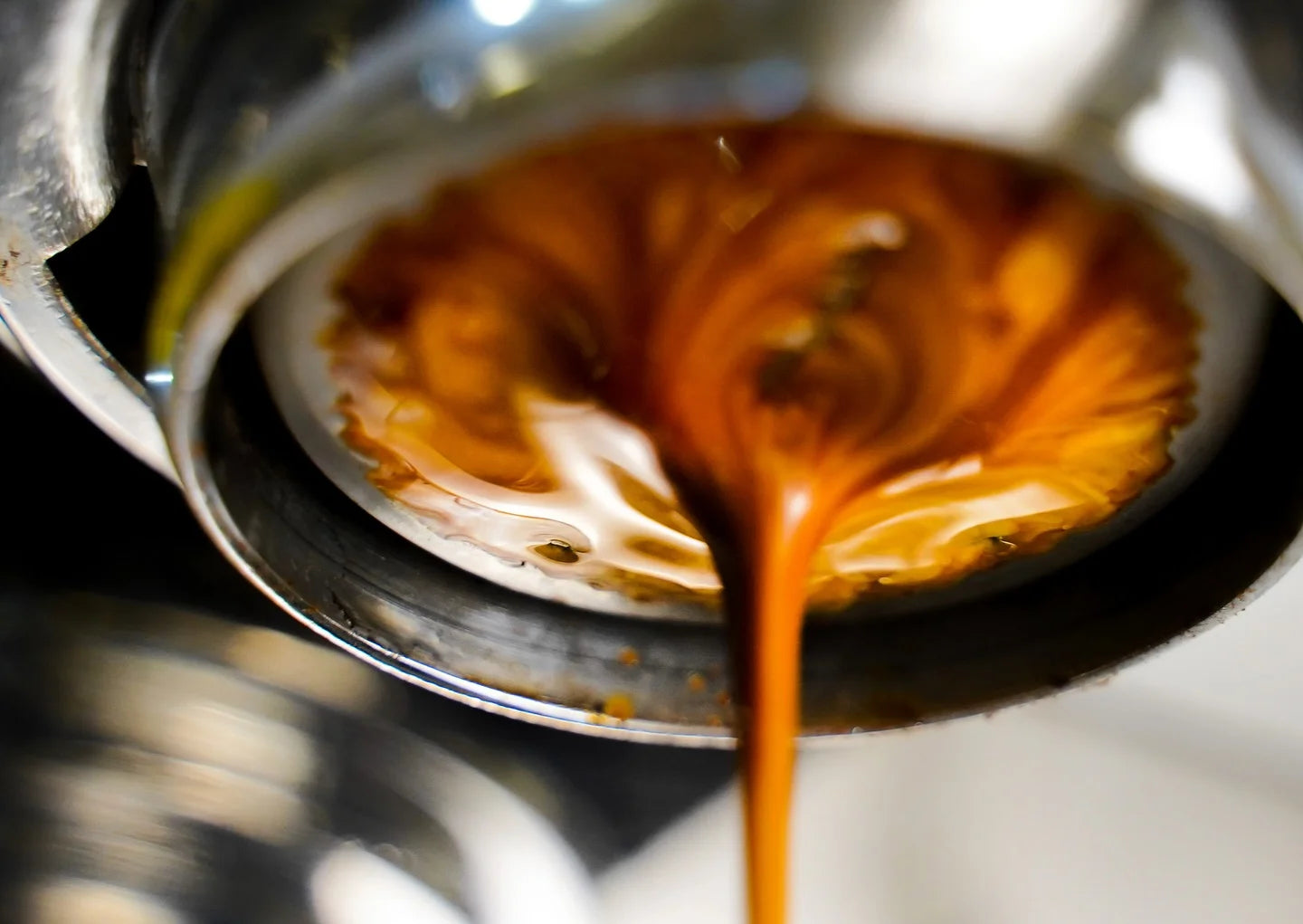
Single origin coffee refers to coffee beans sourced from a single geographic location, allowing for a unique flavor profile that reflects the specific terroir (soil, climate, and altitude) of that region, often considered a higher quality coffee due to its traceability and distinct characteristics compared to blended coffees.
A coffee blend is a mixture of coffee beans from different origins, such as different countries, regions, or farms. The goal of blending is to create a balanced, consistent flavor profile year round.
"Terroir" in coffee refers to unique characteristics of the soil, climate, altitude, and topography in which a specific coffee grows. It directly influences the coffee's acidity, sweetness, body, and overall flavor complexity.
According to many coffee professionals, coffee roasted on a Loring should ideally rest for between 5 and 14 days after roasting before consumption, with the exact time depending on the roast level (light roasts needing longer rest than dark roasts) and your desired flavor profile; generally, medium roasts should rest for around 7 days, while light roasts might need up to 2 weeks to fully degas and develop optimal flavor.
A "coffee varietal" refers to a specific type or variety of coffee plant, essentially a distinct genetic variation within a coffee species which results in unique flavor characteristics depending on the growing conditions and the specific genetic traits of that particular varietal.
Washed process coffee is coffee that has been processed by removing the fruit and organic matter from the bean, then washing and drying it. This process is also known as wet processing.
Honey process coffee is coffee that's been processed using a method that leaves some of the fruit's mucilage on the bean. The mucilage gives the coffee a sweet, sticky flavor and a golden amber color, similar to honey.
Natural process coffee is coffee that's processed by drying the entire coffee cherry without removing the fruit. This process is also known as the "dry process" or "natural sundried" process.
The elevation in which a coffee is grown affects flavor by slowing down the growth rate of the coffee plant, which allows for more complex sugars to develop. This results in coffee with more distinct flavors, more acidity, and more aroma.
A coffee Q grader is a certified professional who evaluates coffee quality using the standards set by the Coffee Quality Institute (CQI) and the Specialty Coffee Association (SCA). Q graders are also known as "Quality Graders". Jason, one of Foresight’s owners, is a licensed Q Grader.
Coffee cupping is important because it provides a standardized method to objectively evaluate the flavor profile, quality, and consistency of a coffee bean, allowing Foresight Coffee to assess different origins, roast levels, and brewing methods to make informed decisions about purchasing, roasting, and blending coffee, ultimately ensuring a high quality product for consumers.
Post-roast color sorting is important because it allows Foresight Coffee to remove defective beans that may not have been visible before roasting, leading to a cleaner, more consistent, and higher quality cup of coffee by eliminating beans that could negatively impact the flavor profile due to under-roasting, over-roasting, or other imperfections revealed during the roasting process.